
From scientific reasoning to listening to the body
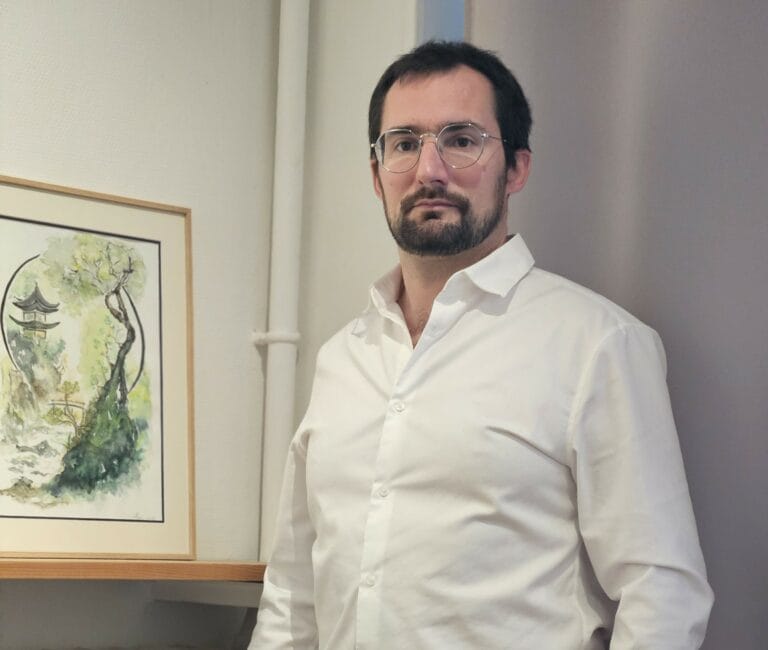
I am Simon Girol, a somato-emotional bodywork practitioner based in Savoie, with practices in Chambéry and Domessin. My work brings together traditional reboutement, gentle mobilisations and close attention to each person’s experience.
After following a scientific path, spending three years travelling and several years exploring my inner world, I found in bodywork a meeting point between precision, attentive listening and the search for meaning.
Since 2019, I have practised as a somato-emotional bodywork practitioner in Chambéry and Domessin.
Leaving a path that no longer made sense
I initially followed a scientific path: intensive preparatory classes, followed by an engineering school specialising in computer science. There, I developed a strong interest in logic, observation and understanding how systems work.
Gradually, however, this path lost its meaning. I no longer knew why I was getting up in the morning or why I was continuing. Stopping became the obvious choice.
I then left for New Zealand for two months, with the intention of learning English. That stay ultimately lasted three years.
Throughout this journey, I experienced many human, inner and spiritual encounters, including some related to mediumship. They challenged my certainties and opened a long period of meditation and introspection.
I did not turn these experiences into a doctrine or a ready-made truth. Above all, they taught me to observe before interpreting and to remain as close as possible to the experience itself.
I left to learn English. More than anything, I learned to see differently.
Learning to listen with my hands
I discovered bodywork through an experienced massage practitioner based in Switzerland. Whenever she returned from a training course, she shared what she had learned with me and invited me to experience it.
I was a complete beginner. Yet she quickly noticed something I could not yet perceive: a naturally precise touch, capable of locating tension and working at a deeper level.
Encouraged by this encounter, I chose to develop this ability. What began as curiosity gradually became a passion and then my profession.
Learning that shaped my practice
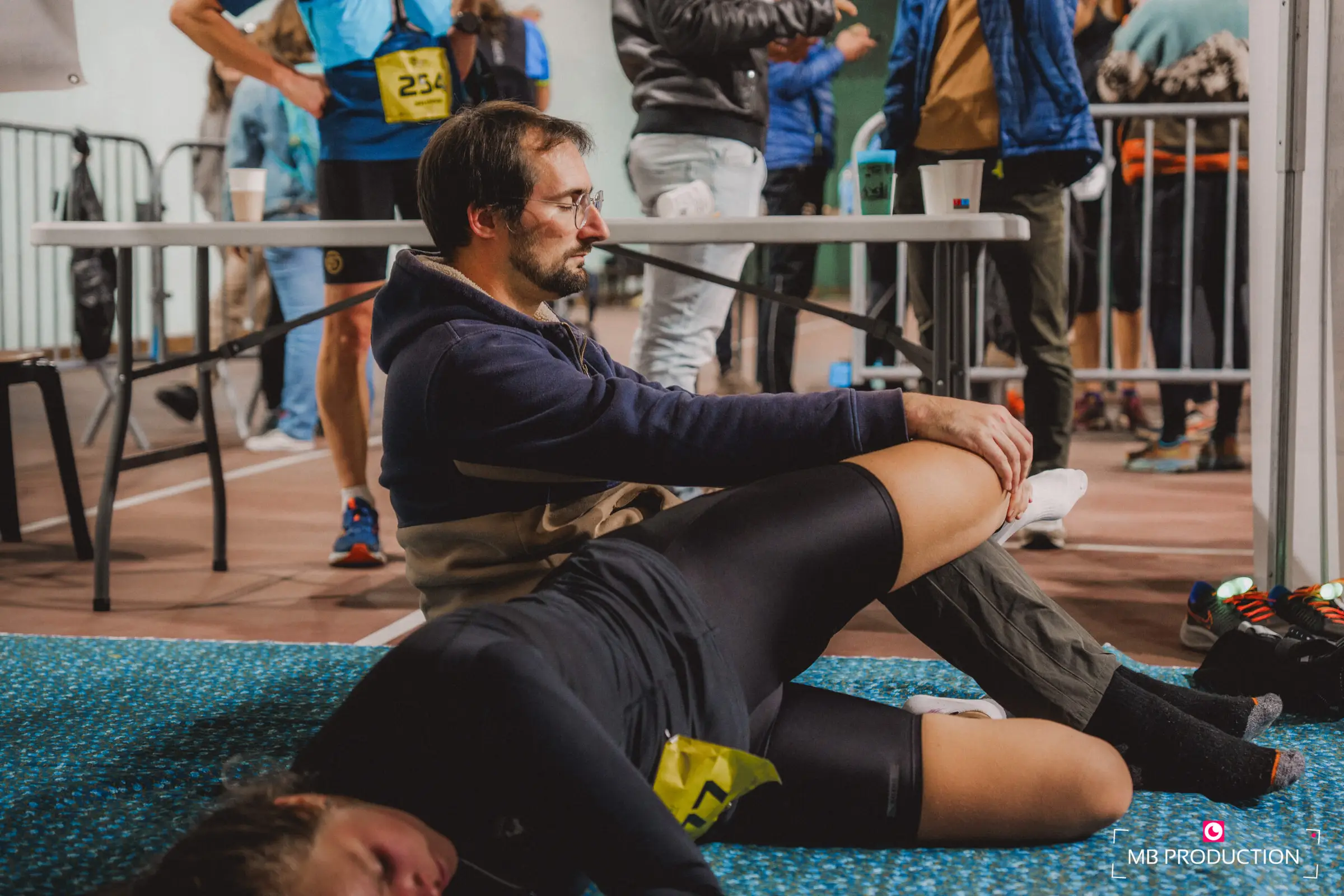
Over the years, I have trained with many practitioners. I have never sought to collect techniques or reproduce them exactly as I was taught.
Each experience has primarily transformed the way I touch, understand and meet another person.
Through training with several rebouteux practitioners, I developed a practical understanding of pain, tension and restricted movement.
These two approaches helped me understand more clearly the connections between emotional experience and the body’s reactions, without trying to impose an explanation.
Through movement, suspension and attentive work with the fascia, Wuo Taï brought greater softness and fluidity to this original foundation.
The word rebouteux comes from the practitioners with whom I trained. I also appreciate its connection with my former world of computer science: the idea of a “reboot”.
Not repairing a machine, but helping movement return to what has become frozen.
Wuo Taï, from practice to teaching
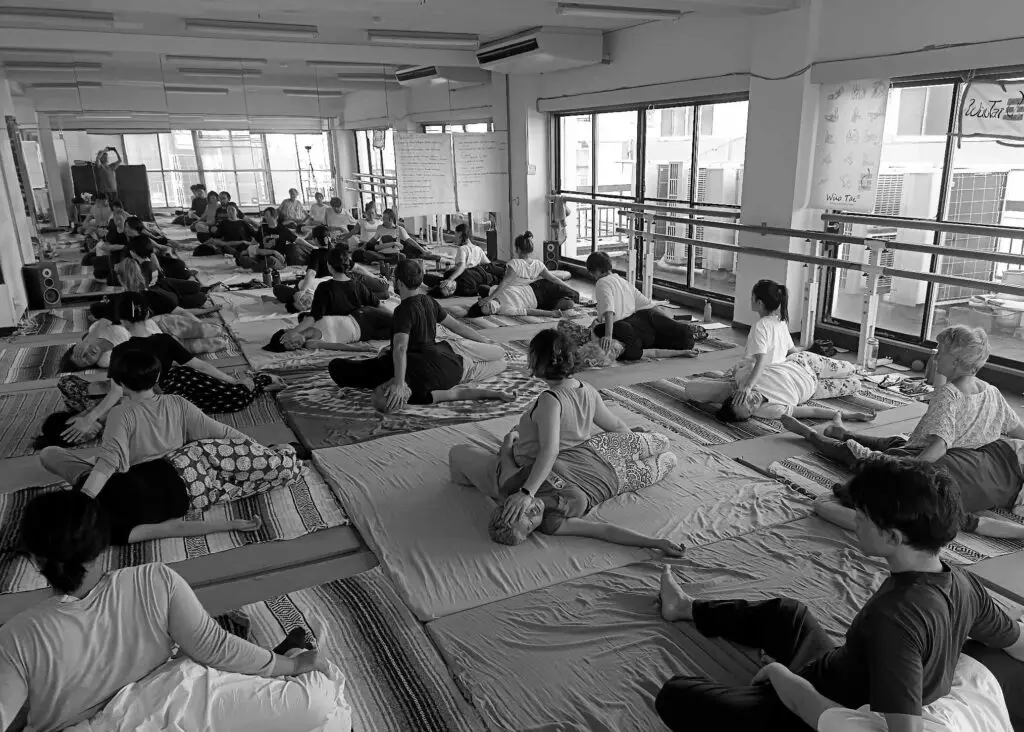
Over the years, Wuo Taï has taken on a central role in my practice. After attending many workshops and working as an assistant, I gradually became involved in teaching it.
Since 2023, I have led regular groups and taught workshops in France and abroad, including in Japan.
Teaching is a natural extension of my work with clients. It requires me to make perceptible what is happening through touch, to find simple words and to continue refining my own practice.
Wuo Taï Practitioner and Certifying Instructor
A sensitive, structured and grounded practice
This deeply personal journey is not a framework that I ask others to adopt. During a session, I may draw on my perceptions, but I never present them as certainties.
I begin with what you feel and what your body expresses. My role is not to tell your story for you, but to offer a stable space in which you can explore what needs attention today.
What if we simply started with what you are feeling today?
To understand more clearly how I work, you can explore my approach or book an appointment in Chambéry or Domessin.